
Time synchronization
Holding distributed systems in step without depending on a satellite signal.
The problem
What this capability is
Most large distributed systems agree on time by all listening to the same satellite. It works, it costs almost nothing, and it makes one external signal the common dependency underneath systems that otherwise share nothing at all.
Time synchronization is the capability of holding that agreement locally. A chip-scale atomic reference inside each node lets nodes stay in step with one another whether or not the satellite is there, and lets them notice when a neighbour begins to drift. What matters is not absolute time in the abstract; it is the difference between two clocks that are supposed to agree, and how quickly that difference grows once the shared reference is removed.
Making the reference small is the hard part. A laboratory clock is a bench of optics and control electronics. A deployable one has to be a component: something an integrator can specify, mount, and then stop thinking about. Getting there means solving the vapor cell, the laser and the characterization together, because a component is only as repeatable as the least repeatable step in making it.
Applications
Example applications
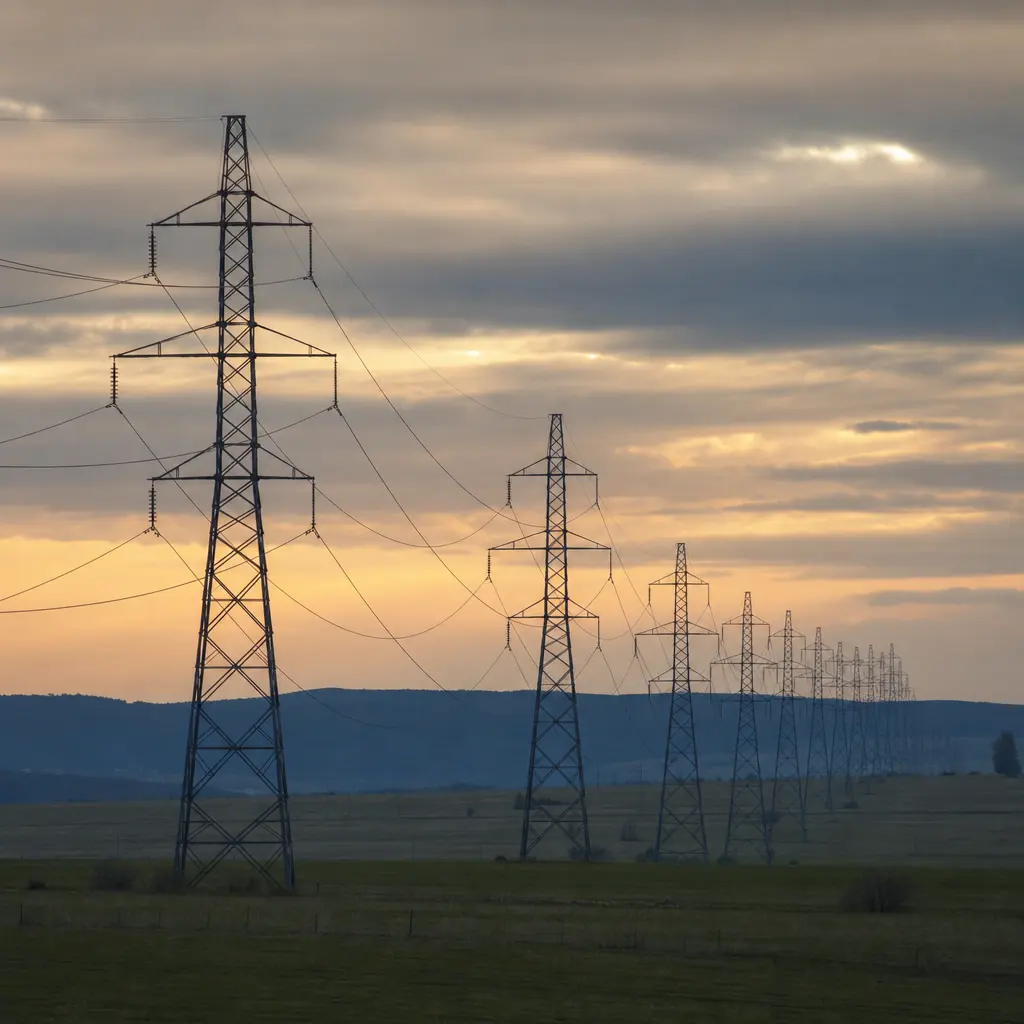
Applications are examples of what the capability enables, not products. Each one below is a system somebody already operates; the measurement is what would change about operating it.
- Grid synchronization
- Protection and metering equipment that stays coordinated across a wide area when the shared reference is unavailable.
- Telecommunications
- Access and transport equipment that holds its frame timing through an outage instead of drifting out of tolerance.