
The problem
What this capability is
Holdover is what a system does after its reference goes away. Every timing architecture has an answer to it, and in most equipment the answer is a quartz oscillator chosen for cost rather than for stability. It holds for a while, then the accumulated error crosses the threshold the application cares about and the equipment declares itself unusable.
GPS holdover is the capability of extending that window far enough that an outage stops being an operational event. A chip-scale atomic reference drifts far more slowly than quartz, and it drifts in a way that can be characterized and compensated rather than merely tolerated. The result is not an exotic new architecture — it is the same one, with the failure mode moved out of the operator’s way.
What makes this a manufacturing problem rather than a physics problem is qualification. An operator replacing a timing card wants to know the new part behaves the way the last one did: across temperature, across vibration, across the life of the equipment. That evidence comes from characterizing parts at volume, not from one good unit on a bench.
Applications
Example applications
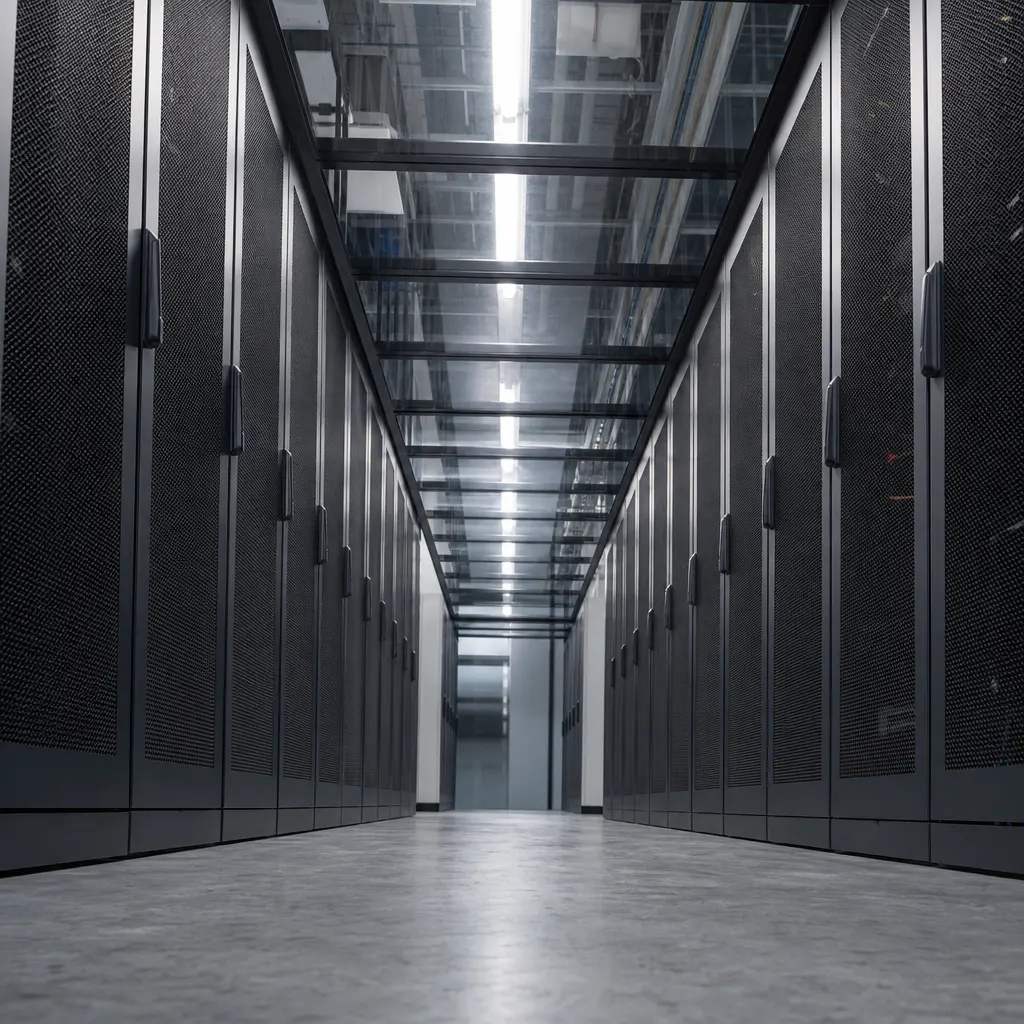
Applications are examples of what the capability enables, not products. Each one below is a system somebody already operates; the measurement is what would change about operating it.
- Defense
- Platforms and ground equipment that must keep working through a denial event rather than degrade with it.
- Data centres
- Distributed transaction and observability systems that depend on ordered timestamps and cannot pause while a reference recovers.